Community
Why Community Matters to Me
For me, community comes down to one thing: building real connections. The kind where people actually learn each other’s names, share a laugh, trade a few stories, and get to know one another without putting on an act. None of that “Heyyy girl, I've missed you, it's been so longgggg, how arrreeee you?” crap.
I also think doing something positive should be a normal reflex, not a goal on a checklist, a weekly chore, or something your friends pressure you into. Maybe that means being the person who listens when a friend is falling apart. Maybe it means donating to a good cause, cleaning up a park, making your neighbourhood look better, or putting in a little extra effort to resolve conflict calmly instead of reacting on impulse. It does not have to be dramatic. It just has to be genuine.
Why Community Matters
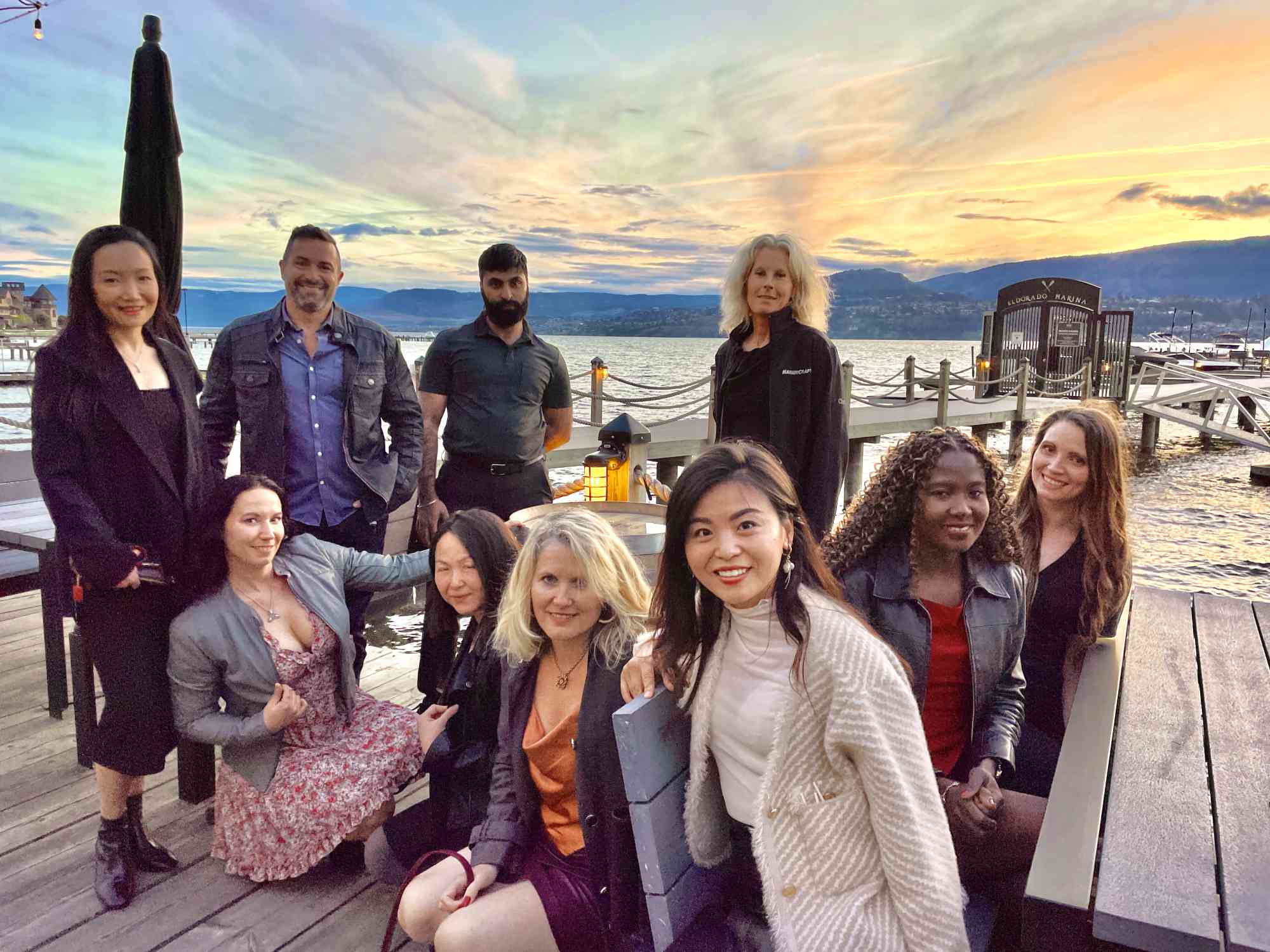
Community gives people somewhere to belong. We are supposedly more connected than ever, yet a lot of people are painfully lonely. For much of my life, meeting people was not exactly easy, especially if you were not into the usual “go to a pub and get hammered” scene or lining up outside a church for your weekly dose of socializing. I also worked online without an office full of coworkers and was never part of a sports club, so those easy, built-in social circles did not exist for me.
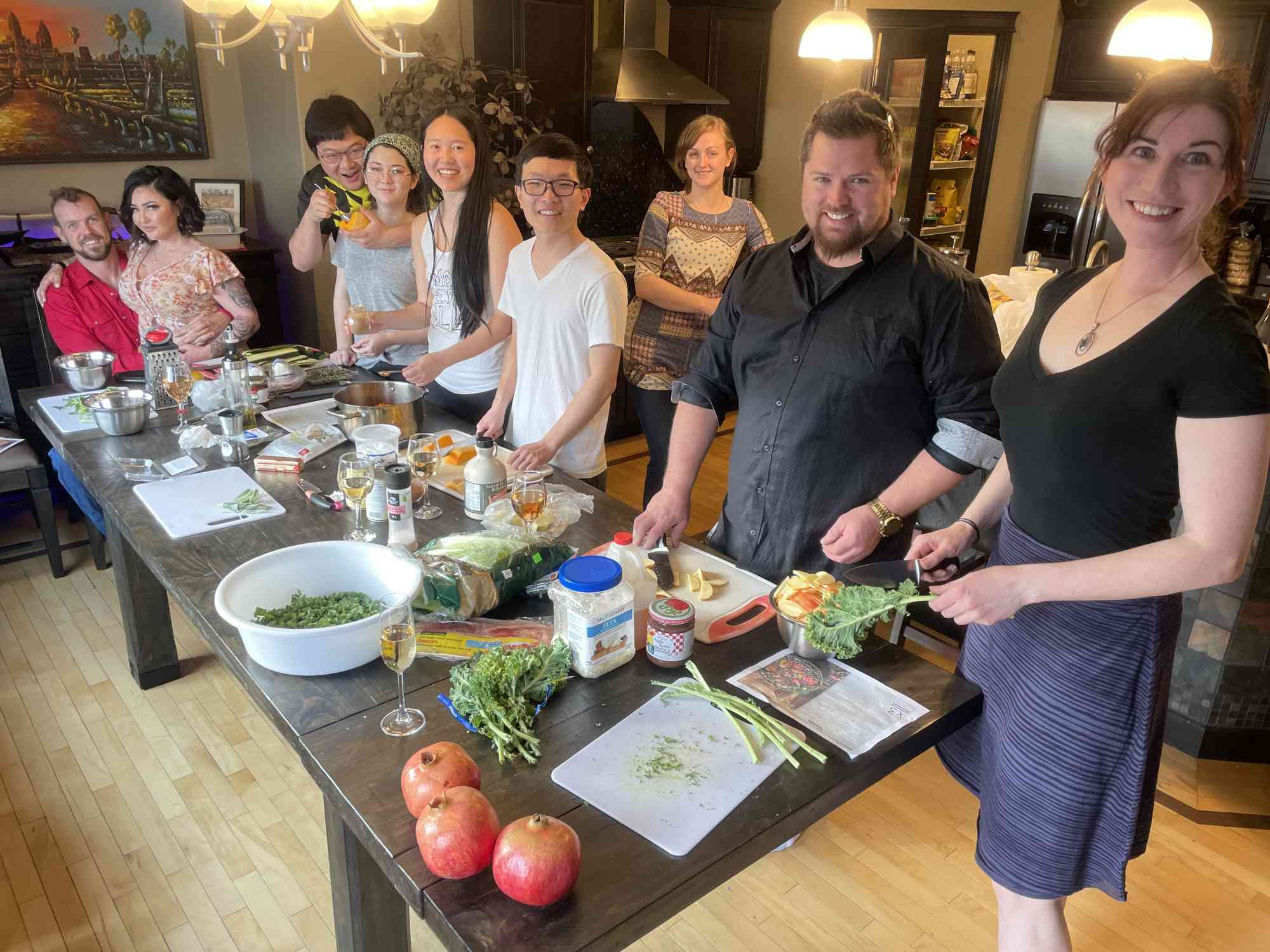
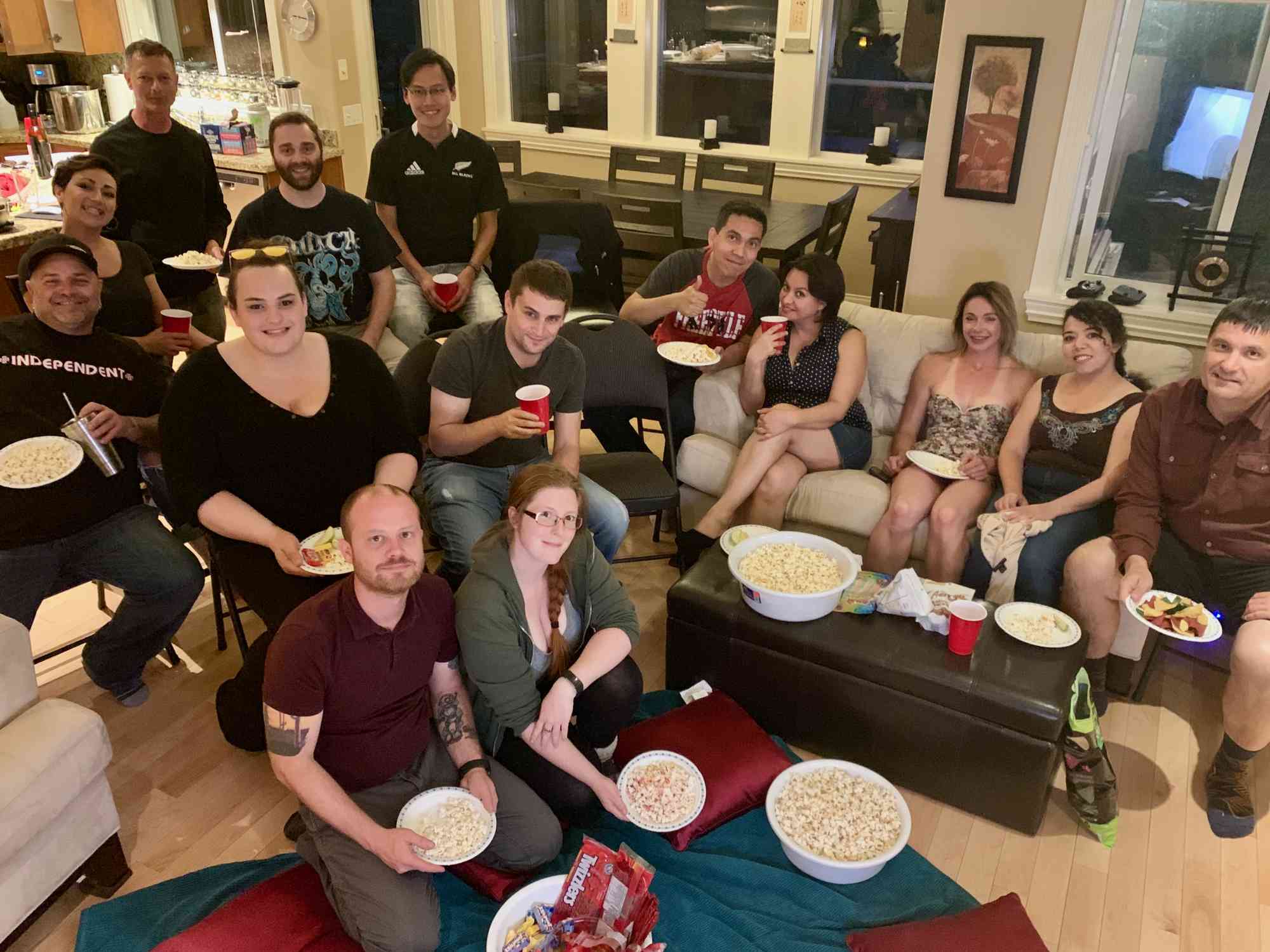
I wanted to create another option: an open door, a welcoming backyard, a day on the lake, or a casual game night where people could show up alone and leave knowing someone. I regularly invited total strangers who found my posts on the internet into my home for potluck dinners. Yes, literally.
Universal Love & Stranger Danger
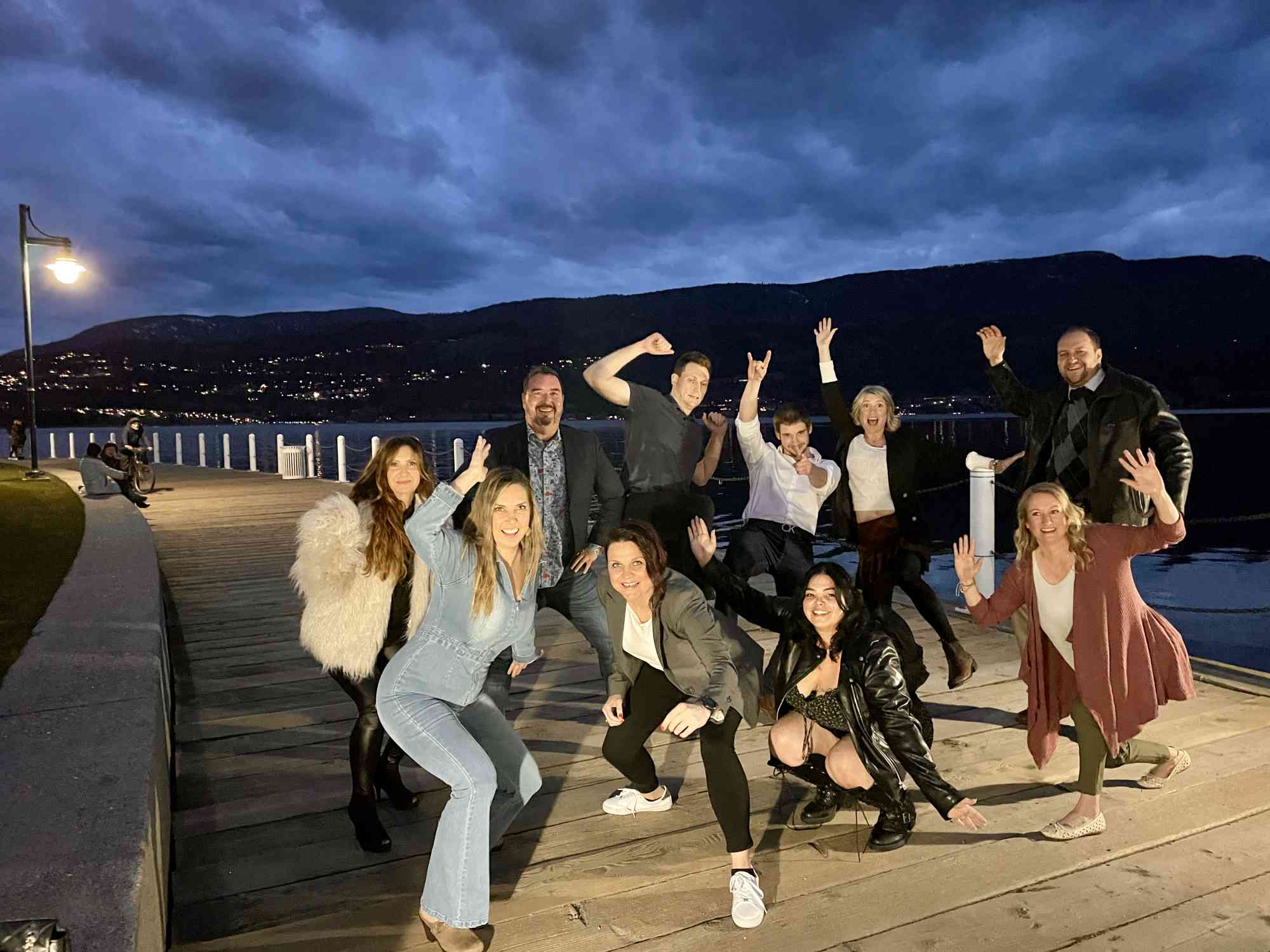
People thought I was insane for giving complete strangers my home address and then actually letting them through the door. The obvious question was always: “Aren’t you worried about crazies or thieves?” Of course, there was an occasional person who struggled with healthy boundaries or dragged their personal chaos straight into my living room. They were still the exception, not the rule.
Nine times out of ten, the people who came were down-to-earth, open-minded, and genuinely interested in meeting others. I met people from completely different careers, cultures, and backgrounds. It was a little like travelling without leaving the dinner table. Every so often, an odd rotten apple slipped through. We dealt with it, moved on, and did not let one difficult person ruin a good thing for everyone else.
That forced me to accept an uncomfortable truth: people love simple teams and easy labels. Mac or PC. Left or right. Men or women. Good person or bad person. Nuance takes effort, so people flatten complicated human beings into categories they already understand. I have always pushed back against that, but I have also learned that keeping one person’s identity from becoming the entire organization can be healthier for everyone.
The point is not to create some elite senate that presides over everyone, or a single leader who needs to be admired. It is to provide a basic code of conduct, useful tools, and enough structure for good people to contribute. I have always connected with the Buddhist idea that the example matters more than the person. Take what works, build on it, and pass it on.
Putting My Money Where My Mouth Is
Over the years, I have done more than a few things that made people raise an eyebrow, but they felt right then and still do now. I once covered the cost of an acquaintance’s insulin pump so they could live normally again. I donated a large amount to help a family in the Philippines repair their home after a typhoon. I hosted a free Greek dinner for local healthcare workers simply to say thank you. I even took a run at local politics and promised to live in temporary housing myself until real solutions for homelessness started taking shape.
When I travel, I tip extra when I can, especially in places where people work brutally hard for very little. I have lent money to friends without chasing them for repayment. If they remember and return it, great. If not, I am not losing sleep over it. I am not listing these things because I expect applause. They are examples of what I mean: when you see a reasonable chance to make someone’s life a little easier, you take it.

Creating Shared Experiences
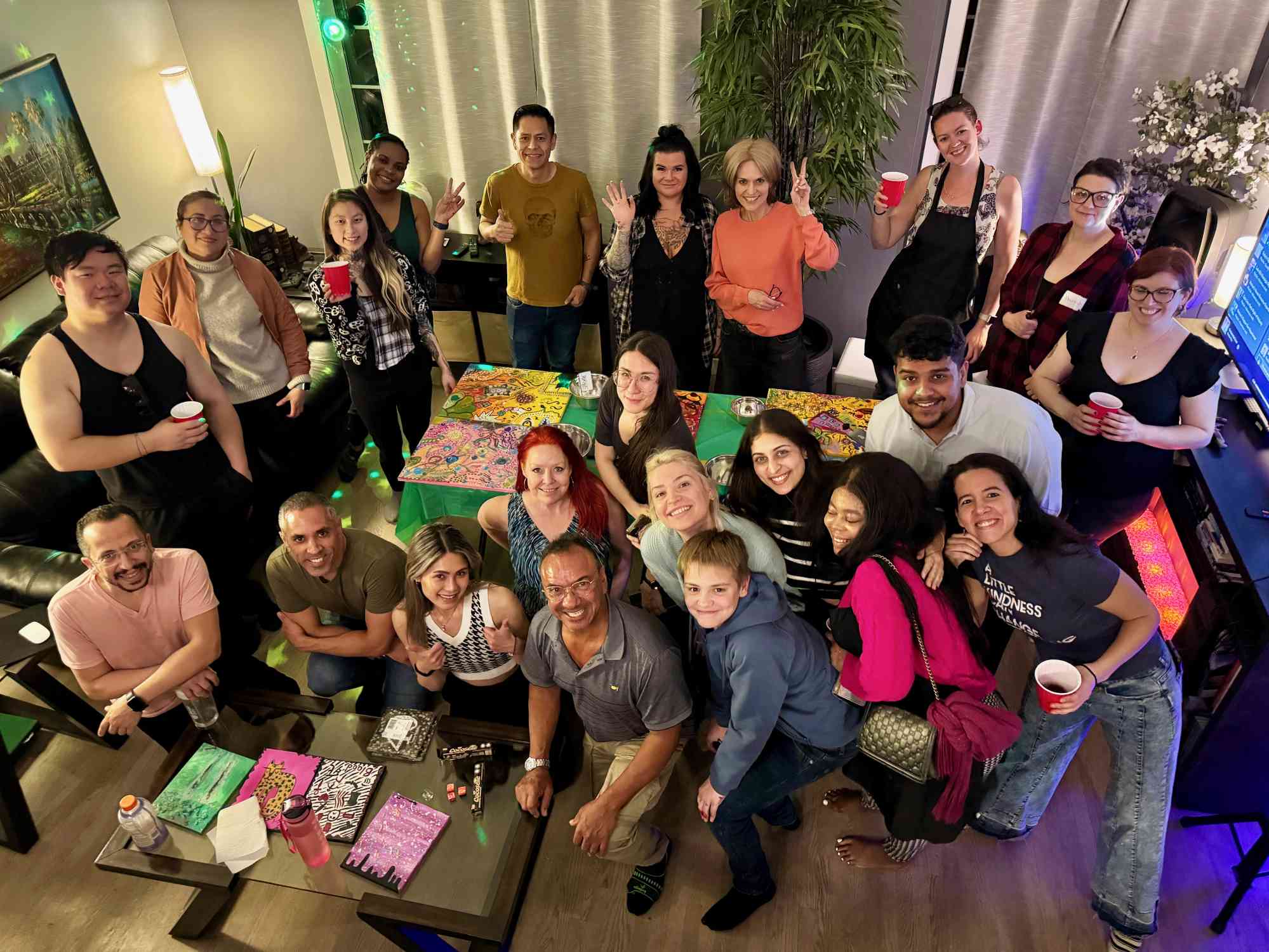
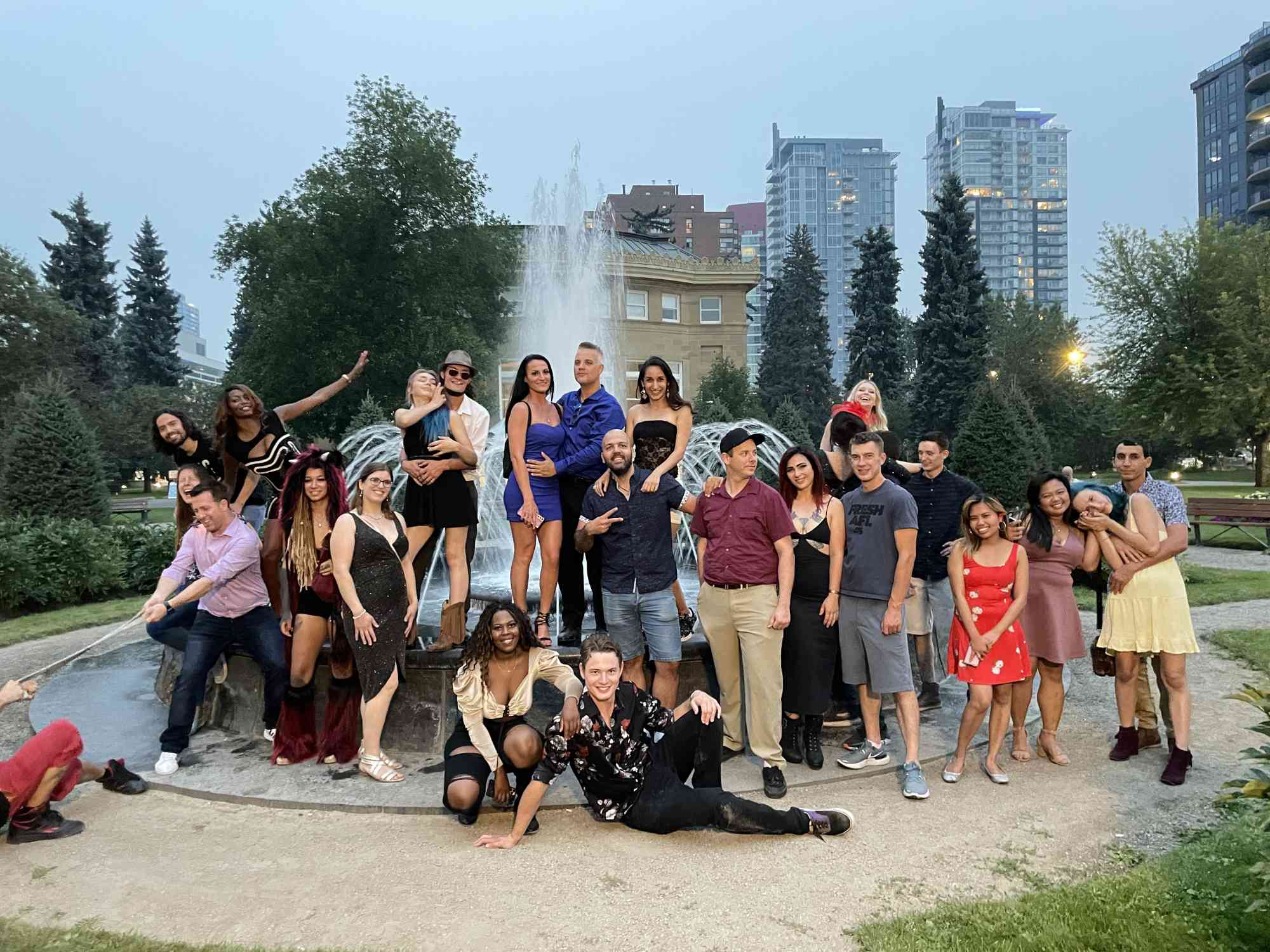
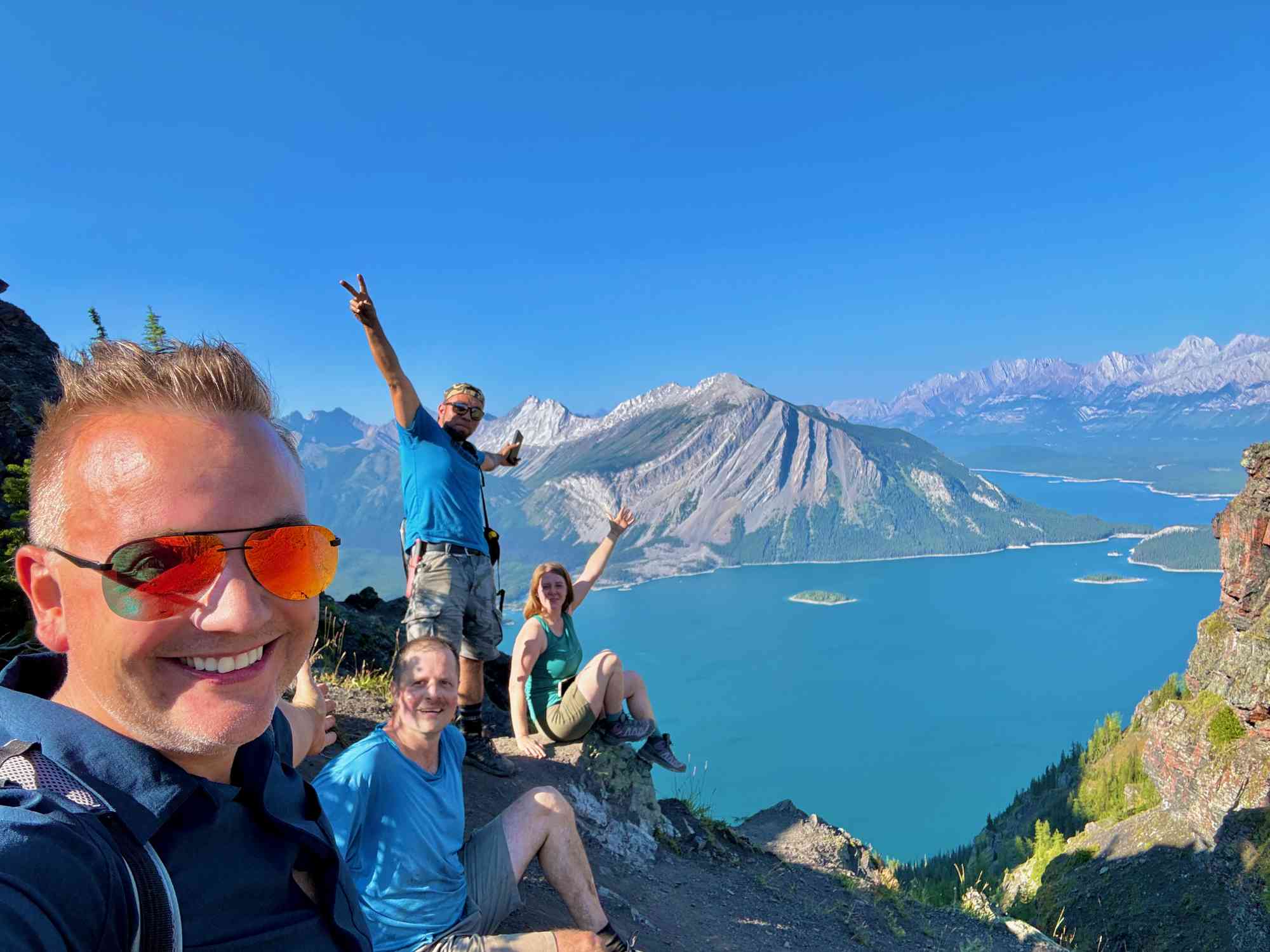
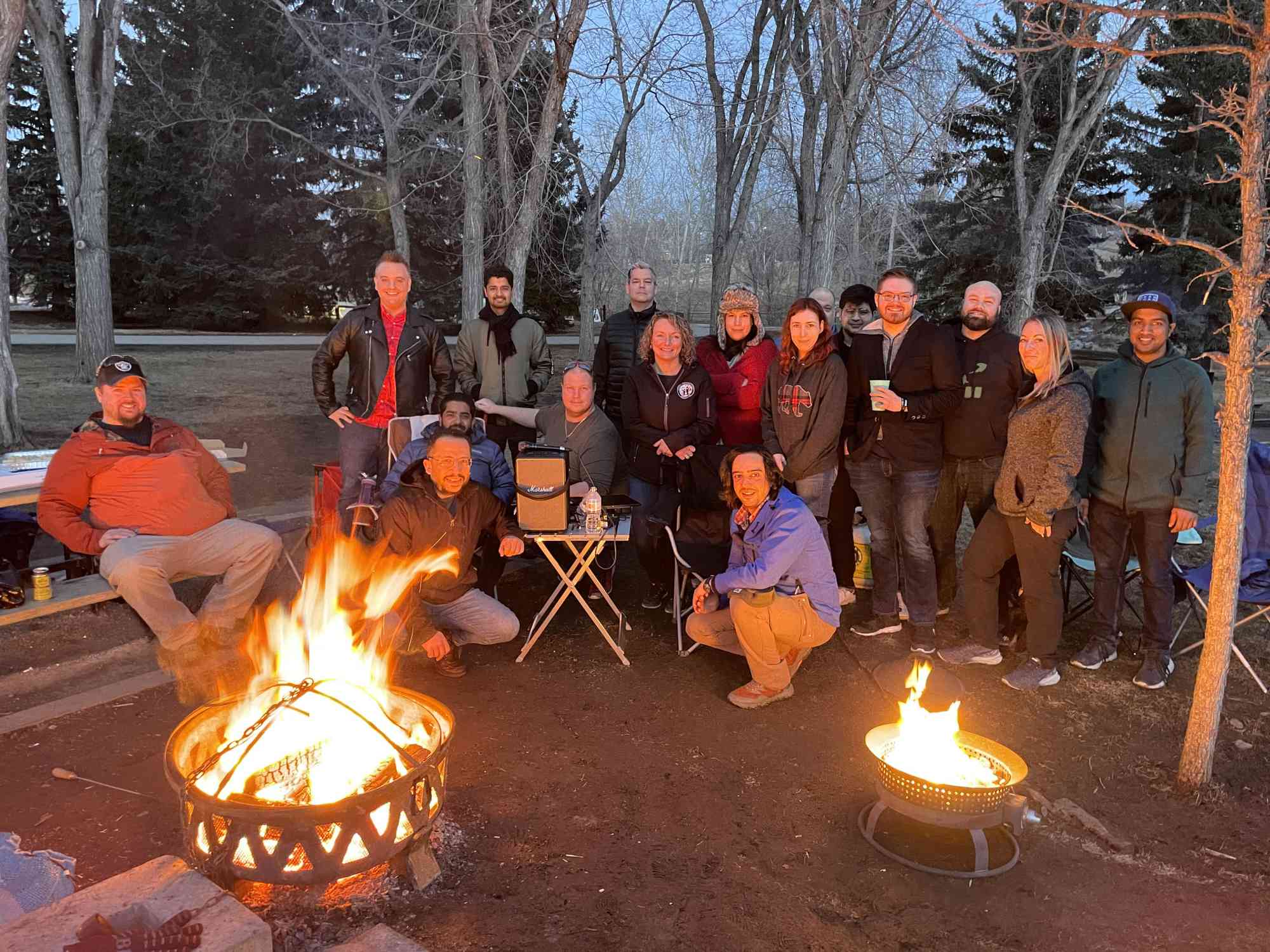
There were hundreds of free events: communal paint nights, clay sculpting, stories around the fire pit, and Great Gatsby-style 1920s dinners where we dressed like old-money aristocrats for the evening. Sometimes we went zip-lining, dog sledding, or on helicopter tours. For those, I usually charged only enough to cover the cost, and sometimes less. Other days were simpler: board games, group hikes, or afternoons on Okanagan Lake with kayaks and paddleboards.
The goal never changed: put people face-to-face around something they could actually share. No networking pitch. No corporate sponsor. No secret quid pro quo. Just people enjoying an experience together and, with any luck, leaving with friendships they did not have when they arrived. Not everyone can afford these activities on their own, either. Opening that door for someone, even just a little, genuinely made me happy.
Adventures and Odd Ideas
Let’s talk about Dark Techno Hide and Seek in my house. Was it a brilliant idea? Absolutely. Did things get broken? Far too many. Is it still a memory none of us will forget? Also yes.
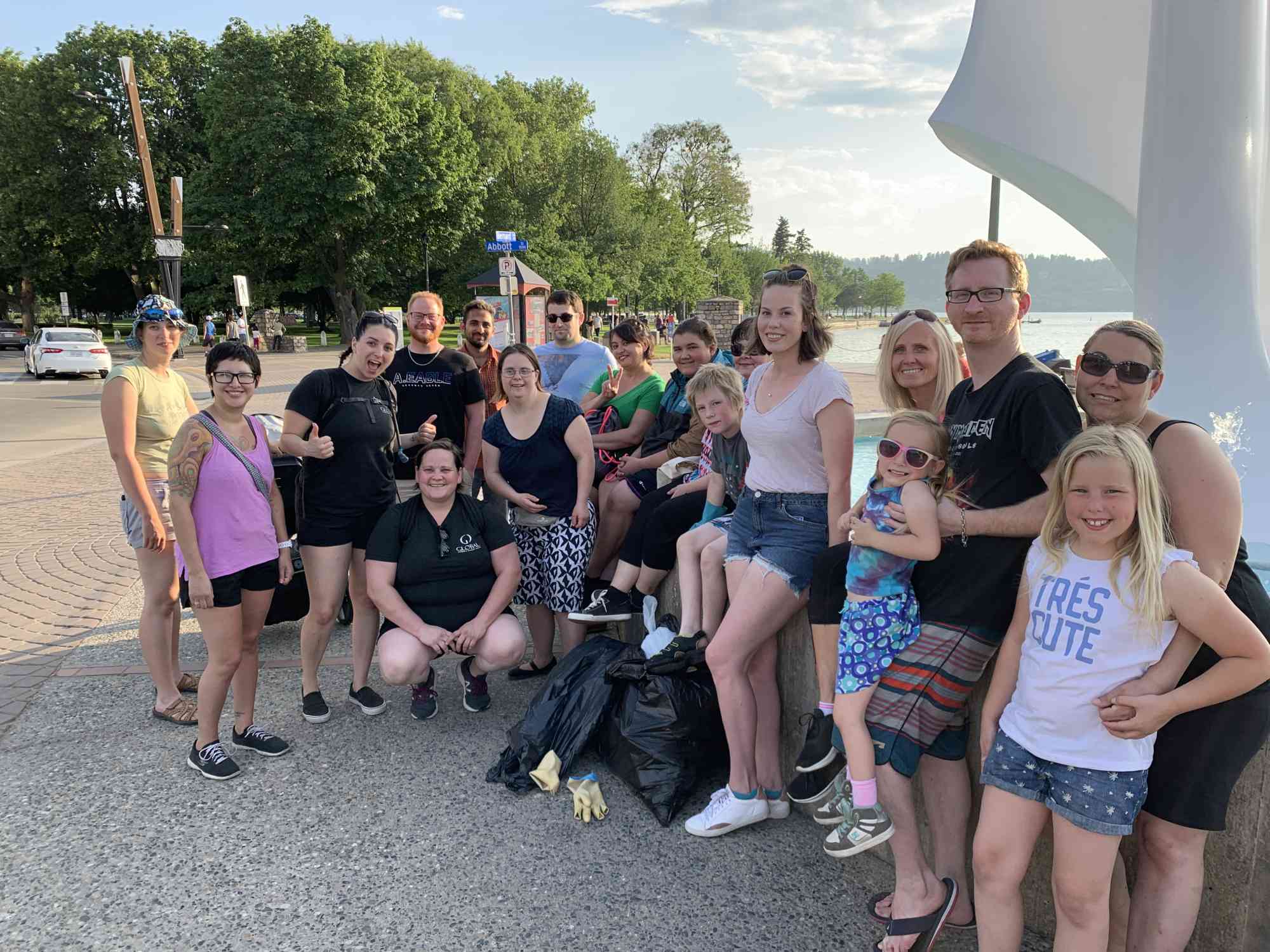
We also grabbed garbage bags and cleaned up a city park because doing something useful together was better than posting about how much we cared. We raised money for the Journey Home project and the Kelowna Food Bank during free hikes, put together Christmas care baskets for families in need, and treated almost any weird idea as fair game. That included building a potato tower with duct tape on St. Patrick’s Day and heading into the Kootenays in search of hot springs.
Why It’s All Worth It
This might sound like a lot, and my grocery bills and stained furniture confirm that it was, but I kept doing it because people are better off with a strong inner circle. You can know hundreds of names and still have nobody you can call when life goes sideways. A lot of people are socially starved, including plenty of introverts who still want connection on their own terms.
There is something pretty great about looking around a dinner table or standing at a mountain viewpoint and realizing the people who arrived as strangers are now laughing, swapping numbers, and making plans on their own. That is when you know the event actually worked.
That is the real value of public social events that do not revolve entirely around food or alcohol. A shared activity gives people something to talk about, strips away some of the awkwardness, and makes connection happen more naturally. As adults, our options outside pubs, office parties, sports leagues, churches, and dating apps are surprisingly limited.
Build What You Wish Existed
At its core, this is my version of philanthropy. Money can help people, but so can creating a place where they feel welcome, remembered, and included. Sometimes the most useful thing you can give someone is a reason to leave the house and a group of people who are genuinely glad they showed up.
None of it works when kindness becomes a transaction. The moment every favour requires repayment, every event needs to generate profit, or every good deed becomes content for applause, the point gets lost. I do this because I have seen what happens when strangers become friends, isolated people find their circle, and someone gets to experience something they could not have afforded or organized alone.
I am not trying to be anyone’s hero, and I do not need to sit at the centre of it forever. I want to build things that make it easier for good people to find one another, contribute something of their own, and leave the community a little better than they found it. That is enough for me.